
News · 6 min read
Unique and United: Why Cerebral Palsy Care Must Centre on the Person
6 October 2026
Cerebral palsy is the most common lifelong physical disability, but no two people experience it in the same way. That is why we believe support should never be a standard package applied to a diagnosis. It should be designed around the person: their health, their routines, their ambitions and the people who matter to them.
No two experiences are the same
Cerebral palsy is caused by an injury to the developing brain, and it can affect how a person walks, moves, communicates, eats and breathes. Some people live independently with little or no support. Others need specialist support around the clock, which may include help with seizures, respiratory support, enteral feeding or positioning and moving safely.
Needs also change over time. A young child’s care will look very different from that of a teenager preparing for college or an adult setting up their own home. Health can fluctuate, families’ circumstances shift and personal goals evolve.
A one-size-fits-all approach cannot keep pace with this. Support that works well is flexible, responsive and shaped by the person receiving it, rather than by what is easiest to provide.
What person-centred support looks like in practice
Every PCS support package starts with the person, not the diagnosis. We consider clinical needs alongside routines, preferences and goals, then design the right arrangements and build a team with the skills and experience to deliver them.
Support models. Some clients need 24-hour support, sometimes with two support workers present at all times (2:1) for safe moving and handling or complex clinical care. Others need overnight support, through either waking nights, where a support worker stays awake to manage needs such as repositioning, seizure monitoring or ventilation, or sleeping nights, where a support worker is on hand if needed. Both give clients and their families the reassurance that overnight needs are safely managed.
Medical and clinical support. Our teams support needs including epilepsy and seizure management, respiratory care, suctioning, tracheostomy care and enteral feeding. Every support worker and nurse receives client-specific training from our clinical team, and their competencies are assessed before they provide care independently.
Behaviour support. For some people, communication difficulties, pain or sensory needs can show up as distress. Consistent, well-trained carers who know the person well can recognise early signs, respond calmly and help reduce anxiety.
Education and daily life. Good support makes everyday life possible, from getting ready in the morning to attending school, college or work, joining community activities and spending time with friends. Our carers support with personal care, meals, appointments and household tasks, while helping people do as much for themselves as they can.
Case study: PCS currently support a child living with cerebral palsy who attends a specialist school and receives support tailored to their individual needs. Depending on the child’s requirements, the team assist with personal care, medication and PEG feeding, as well as supporting learning and the use of communication technology. This joined-up approach helps the child participate more fully in school life.
Case study: Another child living with cerebral palsy receives support at night, at weekends and during school holidays. The PCS team has also accompanied the family on holiday, providing continuity of care for the child and practical assistance for their parent. By adapting the package around family life, the team helps the child enjoy new experiences while giving the family reassurance.
Children, young people and the move into adulthood
PCS’s children and young people’s service is led by Claire Stickley, an experienced Paediatric Nurse (RSCN) with more than 20 years in paediatric nursing, including 15 years in the NHS. Much of her career was spent as a Deputy Sister in high-dependency care, supporting children with complex health needs. She is supported by a dedicated team of paediatric nurses and care management professionals.
This in-house paediatric expertise means children can receive safe, high-quality support at home while attending nursery or school, joining community activities and spending time with friends. We work closely with families, so they feel informed, reassured and confident in the support their child receives.
As a child grows, their needs evolve too. The help they receive at home with feeding, positioning or seizure management will look very different by the time they are a teenager preparing for college or a young adult starting work. At PCS, support teams evolve alongside the person. We review packages regularly, adjust the skills and experience within each team and provide new training as clinical needs change, while keeping familiar faces wherever possible. That consistency is especially valuable during the move from children to adult services, when many other professionals may change. A support team that knows the person well can help them through that transition with confidence and support their growing independence, whether that means further education, relationships or a home of their own.
Case study: We support a young adult living with cerebral palsy who has moved out of the family home and now lives with 24-hour support, with two team members present to meet their care needs. The team manages enteral feeding and epilepsy care, accompanies the individual to appointments and supports exercises prescribed by their physiotherapist. With consistent, tailored support in place, the young adult is preparing for a first holiday with their support workers—an important milestone in living more independently.
Case study: A young person we support, lives with cerebral palsy and a tracheostomy, requiring support around the clock. Their team accompanies them to school and provides tracheostomy care, suctioning, nebuliser treatment and physiotherapy exercises across both school and home settings. This consistent approach helps the young person take part in education while receiving safe, familiar support throughout the day.
What this means for solicitors and case managers
For solicitors and case managers commissioning support for a client with cerebral palsy, often following a clinical negligence claim, the quality of the support package can shape the client’s health, independence and quality of life for decades.
The most effective packages share some common features: a thorough clinical assessment, a clear care model matched to the client’s needs, carers trained and assessed for that specific client, and regular reviews as needs change. Consistency matters too. A stable team that knows the client well is safer, builds trust and helps families feel confident.
Planning ahead is equally important. A child’s support package should anticipate key milestones, such as starting school, adolescence and the move into adult services, so that support keeps pace with the client’s life rather than reacting to it.
PCS works in partnership with case managers, solicitors, families and treating clinicians to design and deliver packages that meet these standards, from direct care after diagnosis to long-term support commissioned on a client’s behalf.
Unique and united
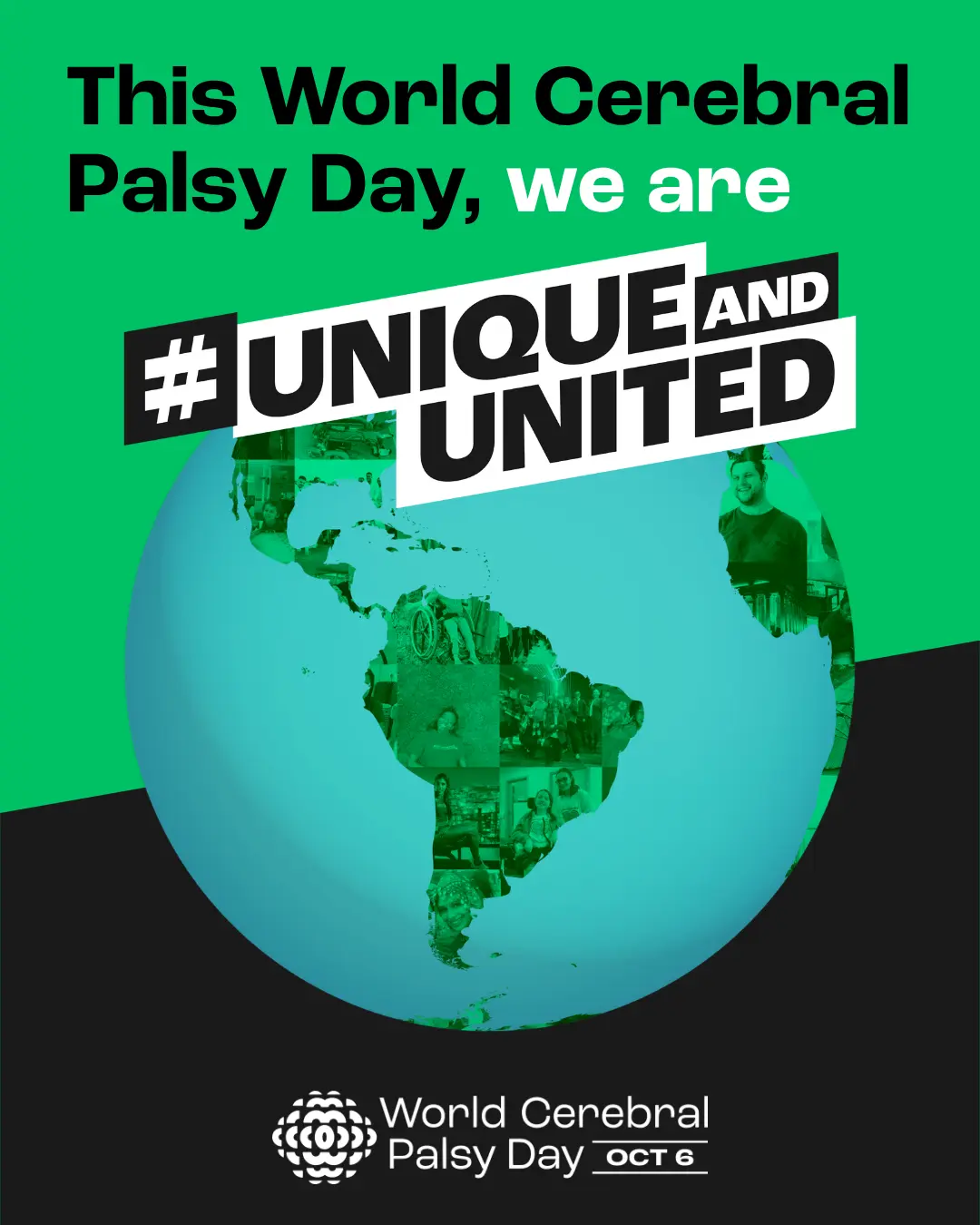
World CP Day reminds us that every person with cerebral palsy is an individual, and that real change comes when those individual voices are heard together. Care should reflect both: support designed around one person, delivered by teams, families and professionals working as one.
Whether you are looking for support for yourself or a family member, or commissioning care for a client, PCS would be happy to talk through how we can help.
#UniqueANDUnited #WorldCPDay
Talk to us about your care
Speak to our team about complex care – for yourself, a family member, or a client you’re working with.
Get in touch